Raja Ravi Varma Painting Sets Indian Art Record: What It Means for Handmade & Indian Art Culture
by Design Dhaga Team (trusted sources)
4-April-2026
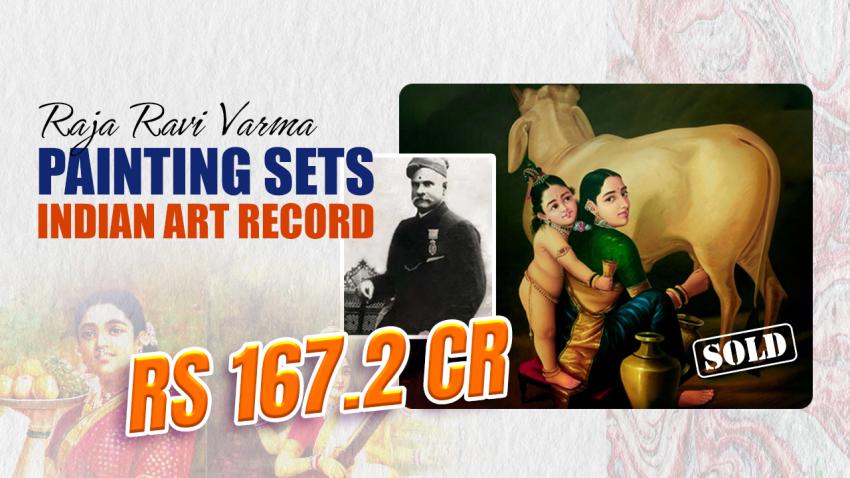
In April 2026, the Indian art world witnessed a historic moment when the legendary artist Raja Ravi Varma’s painting “Yashoda and Krishna” sold for a staggering ₹167.2 crore at auction. This became the most expensive Indian painting ever sold publicly, setting a new global benchmark for Indian art.
This landmark sale goes beyond just one painting or artist it underscores the timeless value of Indian art, handmade craftsmanship, and traditional creativity.
Brands like Design Dhaga embody this spirit by preserving handmade Indian art through modern fashion and textiles.
The Historic Painting Yashoda and Krishna
Created in the 1890s during the peak of Raja Ravi Varma’s illustrious career, the painting “Yashoda and Krishna” beautifully portrays the emotional bond between Mother Yashoda and Lord Krishna. It symbolizes love, devotion, and rich Indian mythology.
The artwork was sold at the prestigious Saffronart Spring Auction after intense bidding, ultimately fetching ₹167.2 crore—the highest price ever achieved for an Indian artwork at auction.
This sale reaffirms that Indian traditional art is not relic of the past; it is priceless and ever-relevant.
Raja Ravi Varma The Father of Modern Indian Art
Raja Ravi Varma is hailed as one of the most influential artists in Indian history. By blending European painting techniques with Indian mythology, culture, and traditions, he made Indian art accessible to the masses.
His iconic paintings of Lakshmi, Saraswati, Shakuntala, Damayanti, and Krishna have shaped Indian art for generations. These themes continue to inspire hand-painted sarees, dupattas, and intricate textile art styles.
What This Means for Handmade Art & Textile Artists
This record-breaking sale sends a powerful message:
• Handmade art has enduring value.
• Traditional Indian art resonates globally.
• Indian art is a valuable cultural asset.
Today, handmade art extends beyond canvas to include:
• Hand painted dupattas
• Hand painted saree India
• Madhubani hand painted dupatta
• Kalamkari textiles
• Block printing
• Fabric painting India
• Handmade textile art
Brands like Design Dhaga carry forward this legacy by creating wearable art—hand-painted textiles that celebrate Indian craftsmanship.
From Canvas to Fabric Art That Can Be Worn
Where Raja Ravi Varma once painted mythological stories on canvas, contemporary artists now bring those stories to life on fabric—dupattas, sarees, stoles, and more.
Hand-painted textile art is:
• Unique
• Handmade
• Eco-friendly
• Artistic
• Traditional
• Limited edition
• A vibrant cultural heritage
Each hand-painted fabric is a one-of a kind masterpiece, echoing the philosophy behind Design Dhaga: Handmade Art, Not Mass Production.
The Growing Value of Indian Handmade Art
The ₹167 crore sale proves a vital truth: art created by hand gains value over time, while machine-made products depreciate.
This is why Handmade textiles, Hand painted fabrics, Traditional Indian art, Artisan made textiles are increasingly sought after worldwide. Consumers today aren’t just buying clothing; they are investing in stories, culture, and art.
Conclusion : The Future of Handmade Indian Art
The record sale of Raja Ravi Varma’s painting is more than auction news it’s a testament to the enduring worth of Indian art and handmade creativity.
From canvas paintings in the 1890s to hand-painted fabrics today, Indian art is evolving, not fading. Brands like Design Dhaga proudly continue this tradition by infusing hand-painted Indian art into modern fashion and sustainable handmade fashion.
This historic moment and the rise of handmade textile art highlight a bright future for Indian traditional art fabric, handmade clothing India, and wearable art India ensuring that the rich heritage of Indian artisan craftsmanship thrives in the contemporary world.



.webp)


.webp)
.webp)
.webp)
.webp)


 Continue with Google