Dupatta Draping Styles 2026: How to Wear a Dupatta with Saree, Lehenga & Kurta
by Priti Sharma
13-August-2026
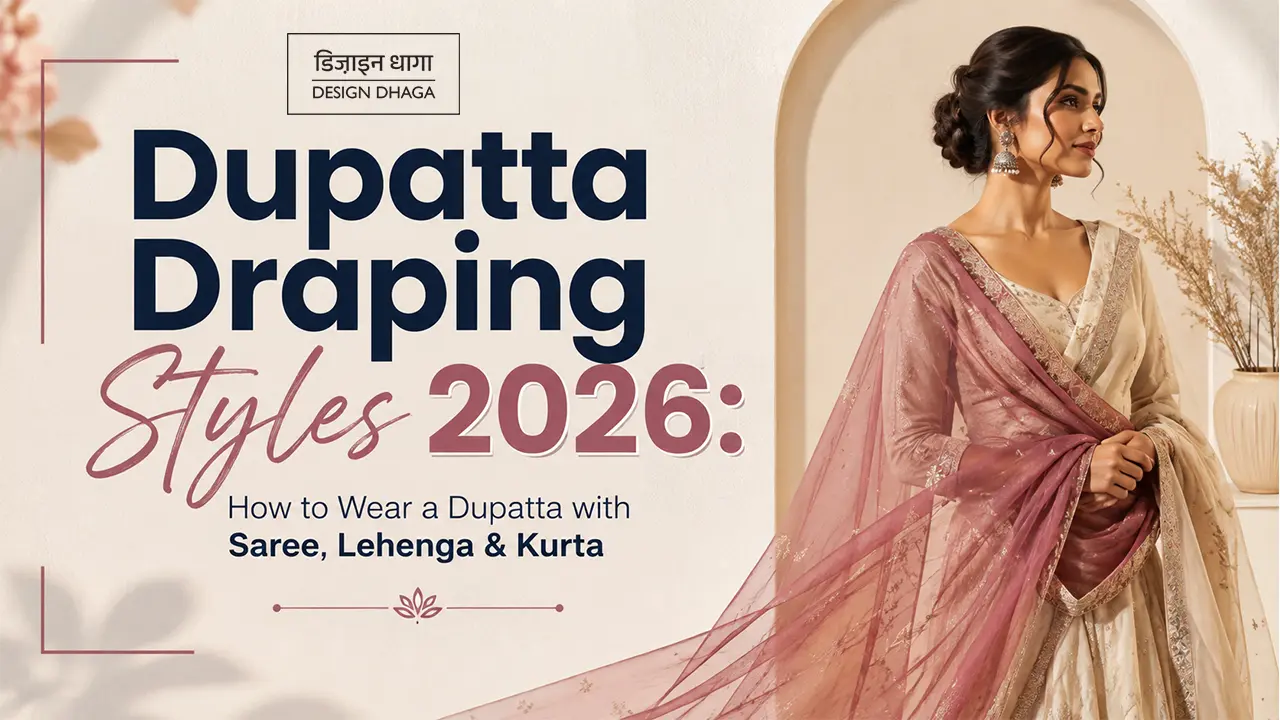
The dupatta has had a remarkable 2026. What started as a traditional ethnic accessory is now one of global fashion's most-discussed styling elements appearing at Cannes, at the Met Gala and across international runway shows as the defining drape of the season. In 2026 the dupatta is no longer confined to lehengas, sarees or wedding wardrobes. It has become fashion's favourite styling trick, adding softness, cinematic elegance and proving endlessly versatile whether wrapped around the neck, flowing behind gowns or draped across structured silhouettes.
But for most Indian women dressing for a festival, a wedding or a festive family occasion the question is practical rather than philosophical, which draping style works with which outfit, for which occasion and how do you keep it in place for more than twenty minutes? This guide answers all of it ten specific dupatta draping styles mapped to sarees, lehengas and kurtas with fabric guidance, occasion matching and pinning tips for each.
Why Dupatta Draping Matters More Than Most Women Realise
The same dupatta draped two different ways creates two completely different looks. A dupatta pinned at one shoulder and falling forward reads traditional and formal. The same dupatta wrapped loosely around the neck and left to trail reads contemporary and fashion forward. The outfit has not changed. Only the draping has.
The right drape can transform your whole look in just a blink. Modern styling from minimal drapes to statement layering is all about flaunting the body shape and the details of the outfit. Understanding a few specific draping techniques gives you far more variety from your existing dupatta and outfit combinations than buying new pieces would.
Part 1: Dupatta Draping Styles for Saree
Style 1 : The Classic Pallu Coordination Drape
The most traditional saree dupatta style involves using the dupatta as a second pallu draped from the opposite shoulder to the saree's own pallu creating a layered symmetrical effect. This works particularly well for heavily embellished sarees where the dupatta adds coverage and formality without competing with the saree's own design.
How to do it: Drape the saree as usual. Take the dupatta and pin one end at the left shoulder. Bring the fabric across the front of the body diagonally tuck the lower end into the saree's waistband petticoat at the right hip and allow the remaining length to fall behind the right shoulder. Pin securely at both the shoulder and the hip for stability.
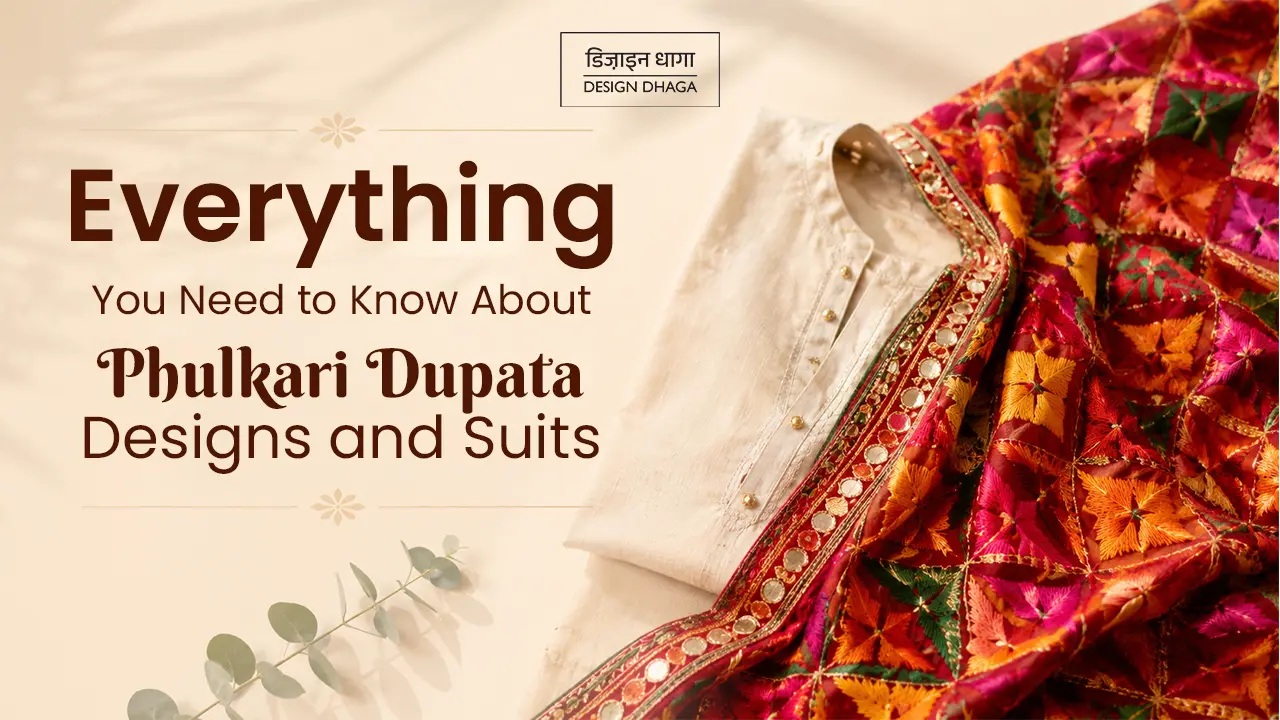
Best fabric: Dola silk dupatta or organza both hold their shape against a silk saree without adding unnecessary weight. A phulkari dupatta in contrasting colour creates a striking folk meets formal combination.
Best occasion: Wedding ceremonies, formal religious functions, occasions where additional coverage is appropriate or expected.
Colour matching: Choose a dupatta in one of the saree's secondary colours rather than the dominant one. If the saree is deep red with gold embroidery, a gold or ivory dupatta reads more intentional than another red one.
Style 2 : The Cape Drape with Saree

Sometimes the dupatta is draped over both shoulders like a cape, allowed to trail behind that floaty, ethereal quality is exactly what made recent international red carpet looks go global.
The cape drape works with sarees that have a relatively simple pallu, since the dupatta becomes the back view's statement piece.
How to do it: After draping the saree take the dupatta and drape it symmetrically over both shoulders. Pin at each shoulder point. Allow the fabric to fall freely behind the body. For a more structured cape effect pin the two front ends together at the chest with a decorative brooch or pin.
Best fabric: Lightweight chiffon or georgette heavy fabrics collapse rather than float, which defeats the purpose of this drape.
Best occasion: Receptions, evening events, contemporary weddings, any occasion where being photographed from behind matters.
Colour matching: A dupatta in a strongly contrasting colour to the saree creates maximum impact in photographs. An ivory or champagne dupatta over a coloured saree is the most universally flattering version of this drape.
Style 3 — The Neck Wrap with Saree
The dupatta wrapped around the neck and left to float creates an ethereal quality that reads as both traditionally Indian and completely contemporary. This is the most social-media-friendly saree dupatta style of 2026, it photographs beautifully from every angle and requires minimal pinning.
How to do it: Drape the saree as usual. Fold the dupatta lengthwise into a narrower strip. Wrap it loosely around the neck once, allowing both ends to fall forward over the chest or to one side. No pinning required the neck wrap holds itself through the fabric's own weight and the tension of the wrap.
Best fabric: Sheer chiffon or organza the transparency creates the floaty, layered effect that makes this drape distinctive.
Best occasion: Sangeet, reception, contemporary festive events, social occasions where the look is photographed heavily.
Part 2: Dupatta Draping Styles for Lehenga
Style 4 — The Classic One-Shoulder Drape
The classic one-shoulder drape is a timeless lehenga dupatta draping style that never goes out of fashion. Simply wear the dupatta over one shoulder with the fabric draped elegantly and allowed to fall gracefully, showcasing the vibrant colours and intricate designs of the lehenga.
This is the foundational lehenga dupatta style appropriate for all occasions, flattering across all body types and the easiest to maintain through a long event.
How to do it: Pin the dupatta at the left shoulder. Bring the fabric diagonally across the front of the body. Tuck or pin the lower end at the right hip into the lehenga skirt waistband. Allow the remaining length to fall naturally. Use 2-3 safety pins or brooch pins at the shoulder and hip to secure.
Best fabric: Any weight works heavy zardozi dupattas sit well in this drape as do lighter net or chiffon pieces.
Best occasion: All occasions the one-shoulder drape is the right choice when you are unsure which style to use.
Style 5 : The Belted Dupatta Drape

The belted drape is a modern dupatta draping style widely preferred in India. It involves a statement belt to keep the dupatta well around the waist so it does not slip during long events. It works beautifully with flowing fabrics like organza and chiffon and the belt can be metallic, embroidered or fabric adding a focal point while clearly defining the waistline for a structured and polished look.
The belted drape solves one of the most common dupatta problems the fabric slipping or shifting during a long wedding. The belt keeps everything in place while adding a contemporary design element.
How to do it: Drape the dupatta across the front of the body at waist level. Gather it slightly at the centre front. Secure with a statement belt metallic, embroidered or fabric worn over the top of the draped dupatta at the natural waist. The ends of the dupatta fall freely on either side below the belt.
Best fabric: Flowing fabrics organza, chiffon, georgette that gather naturally rather than stiffening under the belt.
Best occasion: Sangeet, mehendi, reception any function where you want a contemporary look with practical security.
Style 6 :The Double Dupatta Drape

The double dupatta adds drama wearing two dupattas simultaneously, one draped traditionally and one used as a statement layer, creates visual depth and richness that a single dupatta cannot achieve.
The double dupatta look has become a bridal staple in 2026, particularly for brides who want maximum visual impact without changing the lehenga itself.
How to do it: Use one heavier, embellished dupatta in the classic one shoulder drape. Use a second, lighter dupatta typically in net or chiffon draped across the head or the opposite shoulder. The two fabrics should coordinate in colour but differ in weight and embellishment level, creating layered depth rather than a visually confused doubling.
Best fabric: One heavy piece (zardozi, kundan-work, dola silk) and one light piece (net, chiffon, organza) the contrast in weight is what makes the double dupatta work.
Best occasion: Wedding ceremony, high-formal bridal occasions.
Style 7 — The Cape Style Drape for Lehenga
The cape-style drape allows for hands-free movement both ends of the dupatta are pinned at the shoulders and the fabric flows freely behind, creating a cape silhouette that works well for dancing and movement-heavy events.
How to do it: Pin the dupatta at both shoulder points simultaneously. Allow the entire length of the fabric to fall behind the body. The front remains completely clear no fabric across the chest or front of the lehenga which makes this the most movement-friendly of all dupatta draping styles.
Best fabric: Lightweight chiffon or georgette the fabric needs to float rather than hang heavily.
Best occasion: Sangeet, mehendi, any function involving dancing or extended movement.
Style 8 — The Cowl Neck Drape for Lehenga
The cowl style drape is a modern twist on traditional dupatta draping. It involves draping the dupatta around the neck, creating a cowl neck effect that adds a trendy and chic look, making it perfect for younger brides and fashion-forward individuals. The cowl style is ideal for showcasing a heavily embellished dupatta, allowing its intricate designs to be the focal point.
How to do it: Fold the dupatta lengthwise to create a narrower band. Place it around the back of the neck. Bring both ends forward and allow them to fall over the chest and down the front of the lehenga. Pin lightly at the back neck if needed for stability. The excess fabric at the ends can be tucked into the lehenga waistband on either side.
Best fabric: A heavily embellished dupatta kundan, zardozi or mirror work since the cowl drape positions the fabric closest to the face and neck, making it the most visible part of the look.
Best occasion: Reception, contemporary weddings, occasions where a distinctive, fashion-forward look is appropriate.
Part 3: Dupatta Draping Styles for Kurta and Salwar Kameez
Style 9 — The Classic Front Pin with Kurta
The most traditional kurta dupatta style one end pinned at the left shoulder, fabric falling diagonally across the front and back. Simple, traditional and appropriate for all occasions.
How to do it: Pin one end of the dupatta securely at the left shoulder. Bring the fabric diagonally across the front of the body. Take the remaining length behind the right shoulder and allow it to fall down the back. Use one safety pin at the shoulder and one at the back waist if needed for stability.
Best fabric: Cotton dupattas for everyday and casual festive occasions, phulkari dupattas for Punjabi festive functions, organza or chiffon for more formal kurta occasions.
Best occasion: All occasions this is the foundational kurta dupatta style.
Colour matching: A dupatta in a colour that coordinates with the kurta's embroidery or border works better than one that exactly matches the kurta's base colour. Matching the dupatta to the border or trim creates a considered, intentional look rather than a uniform one.
Style 10 : The Stole Style for Contemporary Kurta Looks
The stole style wears the dupatta as a western scarf or stole draped loosely around the neck and shoulders with both ends falling forward over the chest. This is the most contemporary, most casual of the ten styles and works specifically for everyday and smart casual occasions.
How to do it: Fold the dupatta in half lengthwise to create a narrower strip. Place it around the back of the neck. Allow both ends to fall forward naturally over the chest without pinning. Adjust the drape so both sides fall evenly or intentionally unevenly for a more relaxed look.
Best fabric: Lightweight cotton, linen or chiffon dupattas that fall naturally without stiffening.
Best occasion: Office ethnic wear, casual festive events, everyday occasions where a full traditional drape would be overdressed.
The 2026 update on this style: Wearing the dupatta as a contemporary styling element wrapped around the neck or draped across structured silhouettes has moved from experimental to mainstream in 2026, driven by how Indian styling has been received at international fashion events this year. The stole style is the everyday, accessible version of this global trend.
Part 4: Choosing the Right Dupatta Fabric for Each Draping Style
The fabric of the dupatta determines how it drapes and choosing the wrong fabric for a specific draping style is one of the most common reasons a carefully planned outfit look does not come together as imagined.
|
Draping style |
Best fabric |
Why |
|
Cape drape (saree or lehenga) |
Chiffon, georgette |
Needs to float heavy fabrics collapse |
|
Double dupatta |
One heavy + one light |
Contrast in weight creates depth |
|
Belted drape |
Organza, chiffon |
Needs to gather naturally under the belt |
|
Classic one-shoulder |
Any weight |
The most forgiving drape for fabric choice |
|
Cowl neck drape |
Embellished, kundan, zardozi |
Closest to the face embellishment reads clearly |
|
Neck wrap |
Sheer chiffon |
Transparency creates the ethereal quality |
|
Stole style |
Cotton, linen, lightweight |
Needs to fall naturally without structure |
|
Head cover drape |
Dola silk, heavy organza |
Needs weight to stay in place over the head |

Part 5: Dupatta Colour Matching : A Practical Guide
Colour matching between the dupatta and the outfit is where most people default to exact matching, choosing a dupatta in the same colour as the outfit. This is safe but rarely the most interesting or visually effective choice.
The more effective approaches:
Match the dupatta to the outfit's accent colour: If the lehenga is maroon with gold embroidery, a gold dupatta creates a richer more layered look than another maroon one. The accent colour connection reads intentional rather than uniform.
Tonal contrast with coordinated embellishment: A dupatta in a lighter or darker shade of the outfit's main colour rather than an exact match creates depth without visual clash. Deep navy lehenga with a powder blue dupatta, ivory kurta with a cream dupatta.
Strong contrast for statement drapes: The cape drape and neck wrap styles specifically benefit from strong colour contrast the dramatic draping style is enhanced by a clearly different colour rather than a matching one.
Phulkari dupatta with plain outfits: A phulkari dupatta's multicolour embroidery works best against a plain or minimal outfit the phulkari is designed to be the statement piece, and a busy outfit competes with rather than complements it.
Part 6: How to Keep Your Dupatta in Place : Practical Pinning Guide
The most common dupatta problem is not the draping style, it is the dupatta slipping, shifting or falling out of place at the worst possible moment. Here is how to prevent it:
Safety pins versus brooch pins: Safety pins are more secure but less decorative. Brooch pins look more intentional particularly at the shoulder and work well for formal occasions where the pin itself is visible. Use brooch pins at visible pinning points and safety pins at hidden ones.
Number of pins by draping style:
- Classic one-shoulder : minimum 2 pins (shoulder + hip)
- Cape drape: minimum 2 pins (both shoulders)
- Belted drape: the belt replaces most pins, 1 pin at the back neck if needed
- Double dupatta: minimum 4 pins (2 per dupatta)
- Neck wrap: typically no pins required
Pinning through the blouse, not the dupatta alone: Always pin through both the dupatta and the blouse or lehenga beneath it pinning through the dupatta alone allows the fabric to shift around the pin rather than staying fixed.
The snap clip trick for fine fabrics: For chiffon and organza dupattas that are too delicate for safety pins, small snap clips (available at any accessory shop) grip the fabric without creating pin holes and can be hidden under the dupatta's fold.
Common Mistakes to Avoid with Dupatta Draping
Choosing a draping style without checking movement: Every draping style looks different when you are seated, dancing or moving through a crowd. Always check the drape in motion walk, sit raise your arms before finalising at a major event.
Pinning too tightly: Over-pinning a dupatta restricts its natural fall and creates an artificially stiff look. Secure enough to prevent slipping; loose enough to allow natural movement.
Matching dupatta fabric weight to the wrong draping style: A heavy silk dupatta in a cape drape falls behind the body rather than floating. A lightweight chiffon dupatta in a cowl neck drape may not hold the shape around the neck. Always match fabric weight to the draping style's requirements.
Ignoring the dupatta's embellishment placement: Most embellished dupattas have a decorated border and a plain centre. The draping style should position the embellished border where it is most visible typically at the front, the shoulder or the neckline depending on the style.
Buying the dupatta before finalising the outfit's colour: In store lighting makes colour matching unreliable. Always compare the dupatta and the outfit in natural daylight before purchasing particularly for subtle tone-on-tone combinations where a slight mismatch reads as an error rather than a choice.
Final Thoughts
The dupatta's 2026 moment from Indian wedding functions to international red carpets reflects something genuinely important, this is a piece of textile culture that has survived and thrived because it is endlessly adaptable. The same piece of fabric reads differently draped over one shoulder at a wedding, wrapped around the neck at a reception or worn as a stole to an office festive function. That adaptability is the dupatta's real value.
Understanding ten specific draping styles and knowing which fabrics, occasions and outfit combinations each style suits means that every dupatta you own works across more occasions and more looks than the single default drape most women use for every outfit.
Explore our full dupatta collection including phulkari, zardozi, dola silk and net styles at the Design Dhaga Dupatta Collection or you can customize as per your choice just fill our customize form our team will connect you.
“Frequently Asked Questions”
Q: What is the easiest dupatta draping style for beginners? The classic one-shoulder drape is the most beginner-friendly, pin one end at the left shoulder, bring the fabric diagonally across the front, tuck or pin the lower end at the right hip and allow the remaining length to fall naturally. It works with all outfit types and all fabric weights and requires only two pins to stay securely in place.
Q: How do I keep my dupatta from slipping during a long event? Always pin through both the dupatta and the garment beneath it pinning through the dupatta alone allows it to shift around the pin. Use a minimum of two pins for any draping style, and for the classic one-shoulder drape use one pin at the shoulder and one at the hip. For fine fabrics that cannot take safety pins, use small snap clips instead.
Q: Which dupatta draping style works best for dancing at a sangeet? The cape style drape both ends pinned at the shoulders with the fabric falling freely behind is the most movement-friendly dupatta style. It keeps the front completely clear for movement while maintaining the dupatta's presence in the look. The belted drape is the second-best option, as the belt prevents the dupatta from shifting even during active movement.
Q: What dupatta fabric works best for a lehenga? The best fabric depends on the draping style. For the classic one-shoulder drape any weight works. For the cape style or belted drape, lightweight chiffon or organza is ideal these fabrics float and gather naturally. For the cowl neck drape, a heavily embellished dupatta (zardozi, kundan) works best since it positions the fabric closest to the face where the detail is most visible.
Q: Can I wear a dupatta with a kurta for office or casual occasions? Yes, the stole style (draped loosely around the neck, both ends falling forward without pinning) is the most contemporary and office-appropriate dupatta style. It adds a traditional element to an ethnic kurta without the formality of a fully pinned traditional drape. Lightweight cotton, linen, or chiffon dupattas work best for this style.
.webp)


.webp)

.webp)
.webp)


 Continue with Google